
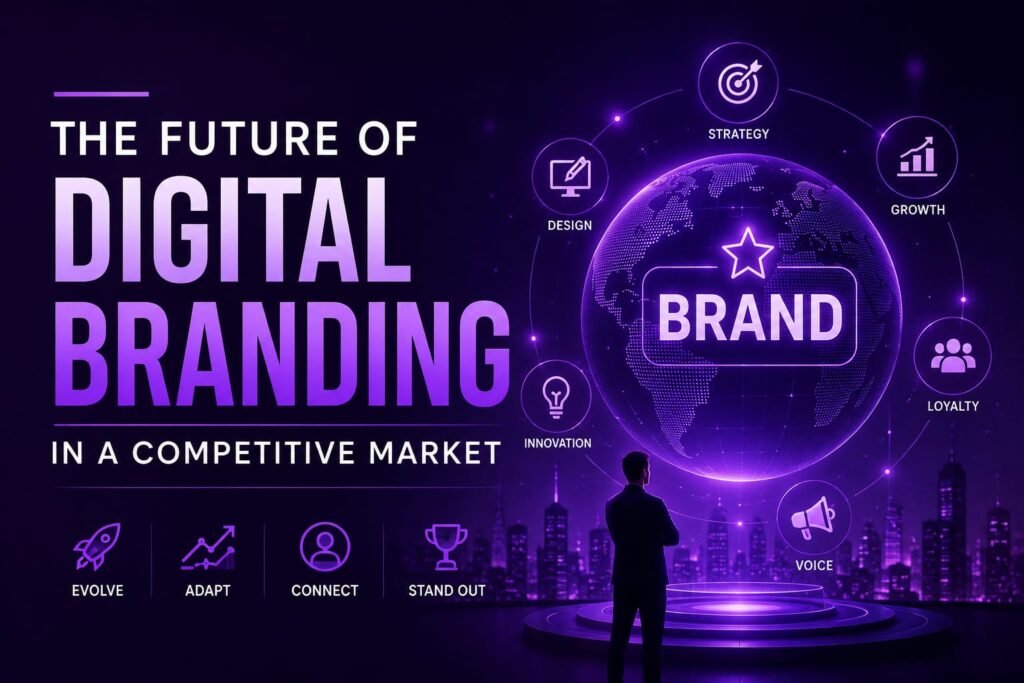
The Future of Digital Branding in a Competitive Market
In today’s fast-paced digital world, branding has become one of the most important factors influencing business success. Consumers are exposed to thousands of marketing messages every day, making it increasingly difficult for brands to capture attention and build lasting relationships. As competition grows across industries, businesses must evolve their branding strategies to remain relevant, memorable, and trusted.
Digital branding is no longer limited to logos, colors, and websites. It encompasses every interaction a customer has with a business online. From social media engagement and website experience to customer reviews and content marketing, every touchpoint contributes to how a brand is perceived. The future of digital branding lies in creating meaningful experiences, fostering trust, and delivering consistent value.
Why Digital Branding Matters More Than Ever
Modern consumers conduct extensive research before making purchasing decisions. They compare brands, read reviews, watch videos, and interact with content across multiple platforms. A strong digital brand helps businesses stand out in crowded markets and build credibility among potential customers.
Businesses with effective digital branding often experience:
- Higher brand recognition
- Increased customer trust
- Better customer retention
- Stronger market positioning
- Improved conversion rates
- Sustainable business growth
As digital competition intensifies, branding will continue to play a crucial role in influencing consumer decisions.
Personalization Will Define Future Branding
Consumers increasingly expect personalized experiences from brands. Generic marketing messages are becoming less effective, while tailored communication creates stronger customer connections.
Businesses can personalize their branding efforts through:
- Customized email campaigns
- Personalized product recommendations
- Targeted advertising
- Dynamic website experiences
- Customer-specific content
Brands that understand their audience and deliver relevant experiences will gain a significant competitive advantage.
Authenticity Will Become a Key Differentiator
Trust is becoming one of the most valuable assets a brand can possess. Consumers prefer brands that communicate honestly, demonstrate transparency, and stay true to their values.
Authentic branding includes:
- Genuine storytelling
- Transparent communication
- Real customer experiences
- Consistent messaging
- Ethical business practices
In the future, authenticity will matter more than aggressive promotional tactics. Customers want to connect with brands that feel human and relatable.
The Impact of Artificial Intelligence
Artificial Intelligence (AI) is transforming how brands interact with customers. AI-powered tools help businesses analyze consumer behavior, automate processes, and deliver personalized experiences at scale.
Applications of AI in branding include:
- Customer behavior analysis
- Personalized content creation
- Predictive marketing
- Chatbots and customer support
- Advertising optimization
While AI improves efficiency, successful brands will continue to balance automation with creativity and human connection.
Content Marketing Will Remain Essential
Content remains one of the most effective tools for building brand authority and trust. Businesses that consistently publish valuable content can position themselves as industry leaders and attract qualified audiences.
Popular content formats include:
- Blog articles
- Videos
- Podcasts
- Infographics
- Webinars
- Case studies
Rather than focusing solely on selling, future branding strategies will emphasize educating, informing, and helping customers solve problems.
Video Will Continue to Dominate
Video content has become a preferred medium for consumers worldwide. Short-form videos, tutorials, behind-the-scenes content, and live streams generate higher engagement than many traditional formats.
Benefits of video branding include:
- Increased audience engagement
- Better message retention
- Stronger emotional connection
- Improved social media reach
- Higher conversion potential
Brands that invest in quality video content will have a greater ability to capture attention and communicate their message effectively.
Customer Experience Will Shape Brand Perception
The future of digital branding extends beyond marketing campaigns. Every customer interaction contributes to the overall brand experience.
Key areas include:
- Website usability
- Mobile responsiveness
- Customer service
- Purchase journey
- Post-sale support
A seamless and positive experience strengthens customer loyalty and encourages word-of-mouth recommendations.
Community Building Will Drive Loyalty
The most successful brands of the future will focus on building communities rather than simply acquiring customers. Strong communities create deeper relationships and encourage long-term engagement.
Businesses can build communities through:
- Social media groups
- Online events
- User-generated content
- Exclusive memberships
- Interactive discussions
Customers who feel connected to a brand’s community are more likely to become loyal advocates.
Data Privacy and Trust
As digital interactions increase, concerns about privacy and data security continue to grow. Businesses that prioritize ethical data practices and transparency will build stronger customer trust.
Future-focused brands should:
- Clearly explain data usage
- Protect customer information
- Follow privacy regulations
- Communicate security measures
Trust will remain a critical factor in long-term brand success.
Conclusion
The future of digital branding will be shaped by personalization, authenticity, technology, and customer experience. Businesses that focus on building genuine relationships and delivering consistent value will stand out in increasingly competitive markets.
As consumer expectations continue to evolve, successful brands must adapt, innovate, and remain customer-centric. Digital branding is no longer just a marketing strategy—it is a long-term investment in trust, loyalty, and sustainable growth.
Companies that embrace these changes today will be better positioned to lead their industries tomorrow.